Inspections
4-Point Inspections Explained (and When Florida Homeowners Need One)
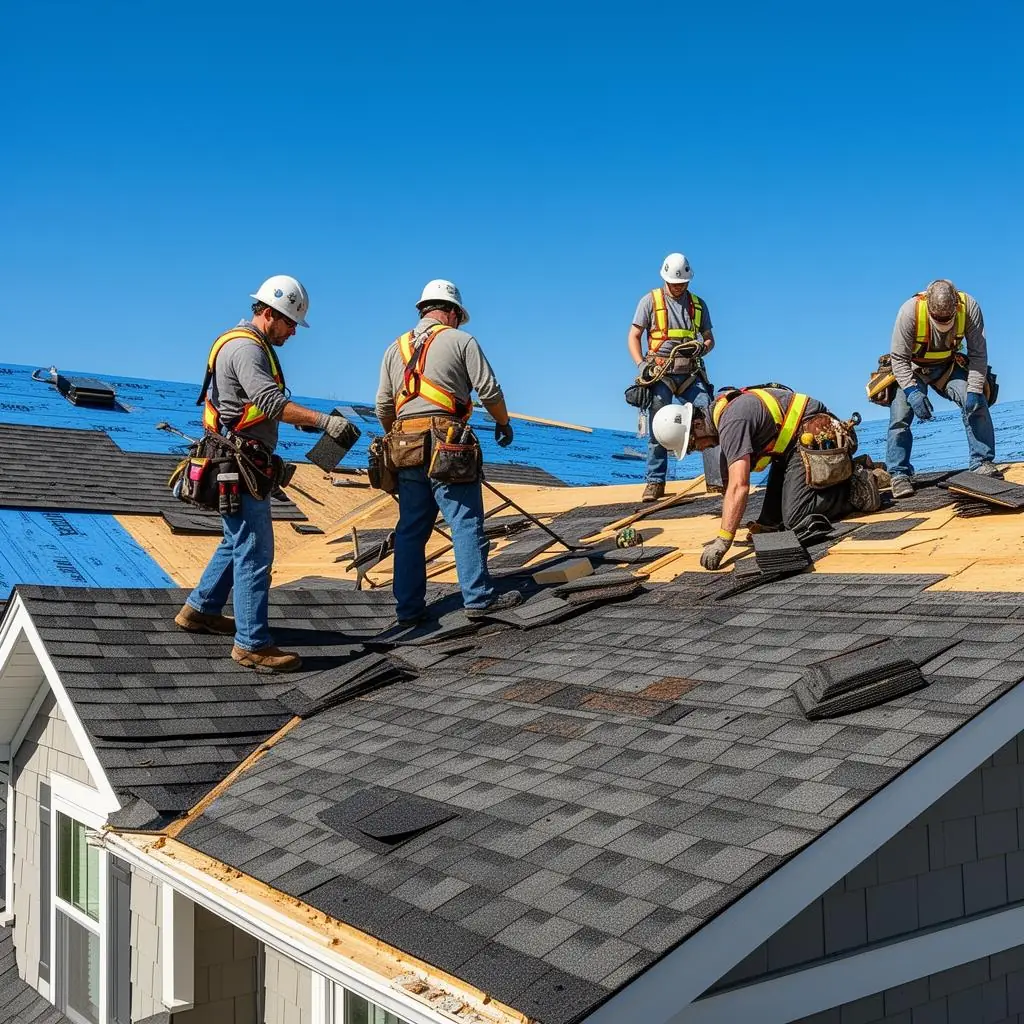
What does a 4-point inspection actually cover?
The name is literal: a 4-point inspection looks at exactly four systems — the roof, the electrical system, the plumbing, and the HVAC (heating and air conditioning). It is not a full home inspection. A licensed inspector or contractor spends roughly 30 to 60 minutes at the property, photographs each system, and fills out a short standardized form. Most Florida carriers accept the form published by Citizens Property Insurance Corporation, the state-backed insurer of last resort.
- Roof: covering material, estimated age, remaining useful life, visible damage, leaks, and prior repairs
- Electrical: panel brand and condition, wiring type (copper vs. aluminum), and amperage
- Plumbing: supply and drain line materials, water heater age, and signs of active leaks
- HVAC: system age, condition, and whether the home has central heat and air
The inspector is not grading cosmetics. The form is a condition snapshot that an underwriter uses to decide whether your home is insurable at all — which is why one bad section can hold up an entire policy.
Why do Florida insurance companies require a 4-point inspection?
Insurers use 4-point inspections to screen older homes for the failures that generate the most claims — and in Florida, roof claims dominate. Most carriers ask for one when a home is roughly 30 years old or older, though some request it at 20 or 25 years; the trigger age varies by insurer, so confirm with your agent. You will typically need one when buying an older home, switching carriers, or at renewal.
Florida's insurance market is regulated by the Florida Office of Insurance Regulation, and the state's 2022–2023 legislative reforms changed the rules around roof age specifically. In general, an insurer cannot refuse to write or renew a homeowners policy solely because a roof is less than 15 years old. For roofs 15 years or older, you have the right to obtain an inspection — and if it shows at least 5 years of remaining useful life, the insurer generally cannot deny coverage based on roof age alone. Details vary by carrier and policy, so treat this as background rather than insurance advice; the Florida Department of Financial Services offers free consumer helplines if you run into a dispute.
How is the roof section scored — and why does it fail most often?
Of the four systems, the roof is the one that most often sinks a 4-point. The inspector records the covering material, its estimated age (often cross-checked against permit records), any visible damage or prior repairs, evidence of leaks, and — the number underwriters care about most — the estimated remaining useful life.
The age math is tougher here than national averages suggest. Asphalt shingle roofs commonly last 15 to 25 years in Central Florida versus 20 to 30 nationally, because intense UV, year-round humidity, and storm-season winds age them faster. That means a shingle roof sold as a "30-year" product can get flagged at year 17 in DeLand. Many insurers commonly want to see at least 3 to 5 years of remaining useful life, and photos of every roof slope — plus any interior stains — go into the report.
If you would like to know what an inspector will see before your carrier does, our roof inspection service covers 4-point and wind mitigation reports, and our free roof self-check tool walks you through the warning signs you can spot from the ground.
Facing a 4-Point Before Renewal?
We'll inspect your roof first, fix the small items that get homes flagged, and document everything with photos — the inspection is free.
What's the difference between a 4-point and a wind mitigation inspection?
They are often done in the same visit, but they answer opposite questions. A 4-point inspection is about eligibility — will an insurer cover the home at all? A wind mitigation inspection is about discounts — Florida law requires insurers to give premium credits for wind-resistant features like hip roof shapes, sealed roof decks, and hurricane clips. If you are already paying for one inspection on an older home, bundling both commonly saves money, and wind mitigation credits frequently pay for the visit many times over.
What should you fix before the inspector arrives?
Most roof-section failures come from small, visible, fixable items. In the two weeks before your inspection:
- Replace missing, slipped, or wind-lifted shingles — even one bare spot gets photographed
- Reseal cracked pipe boots and rusted or lifted flashing, two of the most common leak sources
- Repair the leak behind any ceiling stain, then prime and paint the stain so it does not read as active
- Clear debris from valleys and gutters so the inspector can see the roof surface
- Pull your roof's permit history — Volusia County requires permits for roof replacements, and county records help prove your roof's true age
A few hundred dollars of roof repair before the inspection commonly beats a declined application after it.
What happens if your roof fails the 4-point?
A bad roof section is not the end of the road. If the issues are localized, targeted repairs plus a re-inspection are often enough. If the roof is genuinely at end-of-life, replacement resets the clock entirely: a new roof restores eligibility with most carriers, typically earns wind mitigation credits because it is built to the current Florida Building Code, and takes the age question off the table for years.
Timing matters in Florida. The Atlantic hurricane season runs June 1 through November 30, per the National Hurricane Center — and both inspectors and roofers book up fast once storms start forming. If a renewal deadline is coming, start the process 60 to 90 days early.
How much does a 4-point inspection cost in Volusia County?
A standalone 4-point commonly runs in the range of $75 to $150 locally, and bundling it with a wind mitigation inspection typically adds only modestly to the price. Heritage Roofing & Repairs (license CCC1333379) has been inspecting and repairing roofs in DeLand and across Volusia County since 2010. If your insurer is asking for a 4-point, we will look at the roof first, tell you honestly what an inspector will flag, and fix what needs fixing — nothing more.
This article is general information for Florida homeowners, not insurance or legal advice. Confirm requirements with your insurance carrier or a licensed agent.
Know What the Inspector Will See — Before They See It
Free roof inspection with photos, an honest read on remaining life, and flat-price repairs for anything that would get flagged.
Sources
- Citizens Property Insurance Corporation — inspection forms and underwriting requirements
- Florida Office of Insurance Regulation — insurance market rules and reform information
- Florida Department of Financial Services — consumer insurance resources
- NOAA National Hurricane Center — Atlantic hurricane season dates
- Volusia County Government — building permits and records